

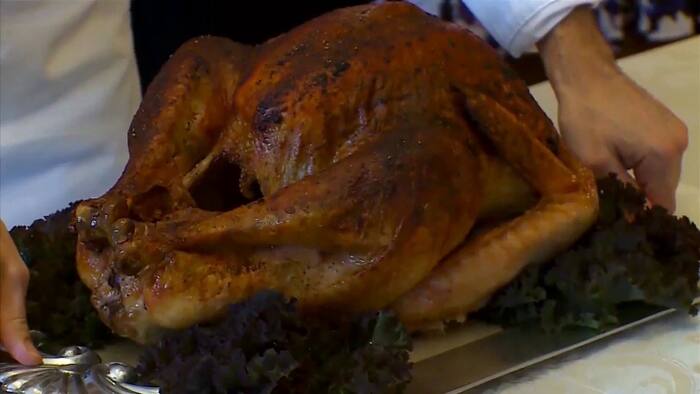
Thanksgiving dinner is one of the most anticipated meals of the year. But loading up on turkey and all the trimmings can leave you feeling sluggish, bloated, and crashed on the couch before the dishes are even cleared.
CBS News Medical Contributor Dr. Tania Elliott says a few simple strategies — before, during, and after the meal — can help you actually enjoy the feast.
Don’t skip breakfast to save room
It may seem smart to skip breakfast so you can eat more later, but Dr. Elliott says that strategy backfires.
“You create this stress state of temporary insulin resistance, which is the same thing that happens when people have diabetes,” Elliott said. “And that’s what causes these blood sugar spikes. You want to be able to sit at your table for hours and enjoy the meal — not end up with a crash passed out on the couch.”
Instead, she recommends starting Thanksgiving morning with protein and fiber — think a cup of Greek yogurt with some berries — and skipping the carb-heavy breakfast.
Eat your stuffing last
At the dinner table, the order in which you eat your food matters more than you might think.
“Start with your protein first, then your vegetables, then your carbs or your stuffing last,” Elliott said. “You do nothing else, just have your stuffing last — and this helps to mitigate those spikes in your blood sugar.”
Get up and move
After the big meal, don’t just sink into the sofa. Dr. Elliott recommends staying active between courses and after eating.
“In between each course, I would recommend just doing a circle around the table,” she said. A 10-minute post-meal walk “can help very much so with the bloating, with the gas, with abdominal discomfort.”
Don’t starve yourself after Thanksgiving, either
Skipping meals the day after to “make up” for overeating is just as counterproductive. Dr. Elliott says doing that regularly can also slow down your metabolism — something nobody wants heading into the holiday season.
As a bonus tip: Dr. Elliott also recommends eating fruits like papaya, kiwi, pineapple, and avocado after the meal. They contain natural digestive enzymes that can help break down food in the intestine.
